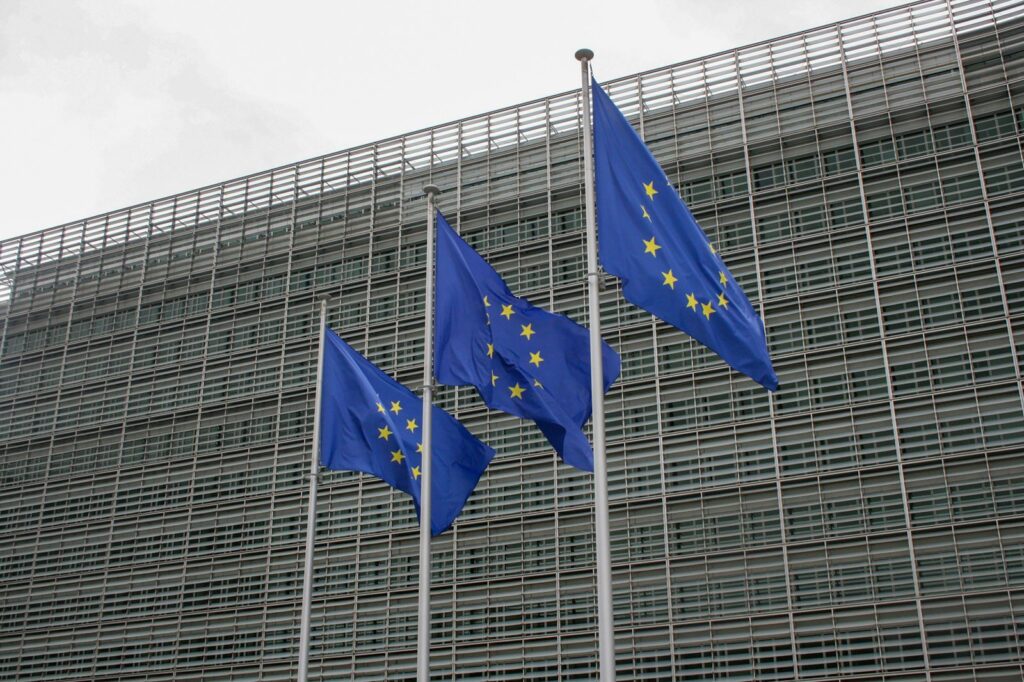
The United Kingdom will rejoin Erasmus+, the European Union’s flagship programme for study, training and exchange, from 1 January 2027. It ends a six-year absence that began when the UK left the scheme after Brexit.
The return was first agreed in December 2025 and became a legal agreement in April 2026, when the UK and the EU signed the text in Brussels. The European Commission says the deal puts UK organisations “on the same footing as EU member states and other associated countries”.
The UK government expects more than 100,000 people in the UK to benefit in the first year alone.
Who can take part
Erasmus+ is not only for university students. According to the UK government, the programme will cover:
- Higher education students on study periods or work placements in Europe, and university staff on training or job shadowing
- Further education students and apprentices, including work placements with European companies
- School pupils on group visits, exchanges and projects
- Adult learners, education staff, youth workers and sports coaches
“Joining Erasmus+ is a huge win for our young people, breaking down barriers and widening horizons,” said Nick Thomas-Symonds, the minister for EU relations. The government has said it wants more students from disadvantaged backgrounds to take up places.
When the first places open
Students do not apply to Erasmus+ directly. Universities, colleges, schools and other organisations bid for funding, then offer places to their own students and staff.
- Autumn 2026: the European Commission’s 2027 Call for Proposals is expected, with UK institutions able to bid from November 2026.
- Early 2027: most application deadlines for institutions are expected around February and March 2027.
- Second half of 2027: the first funded placements begin, at the earliest. In practice, most students will be looking at the 2027–28 academic year.
The British Council is set to run the programme in the UK as the National Agency, the body that guides applicants and manages the grants. It previously helped run Erasmus+ in the UK from 2014 to 2020.
What it costs, and how long it lasts
The UK will pay about £570 million for 2027. The government says it negotiated a 30% discount on the default terms set out in the post-Brexit Trade and Cooperation Agreement.
There is an important limit. The agreement covers only the current EU budget period, which ends in 2027. Whether the UK stays in the next programme, from 2028 to 2034, is still to be negotiated. The government has said that any future deal must be based on a “fair and balanced contribution”.
The end of the Turing Scheme
The Turing Scheme, set up in 2021 as the UK’s own replacement for Erasmus+, will close. The government has confirmed it will not run in the 2027–28 academic year, as Erasmus+ placements begin.
Unlike Erasmus+, Turing funded placements anywhere in the world, not just in Europe. Universities UK says it has funded more than 200,000 UK students to study abroad. Some in the sector have warned that the UK “may live to regret” losing that global reach.
What this means for you
If you are studying at a UK university or college now, ask your international or study-abroad office whether it is bidding for Erasmus+ funding for 2027–28, and how places will be offered. Erasmus+ places are usually linked to the institution you are enrolled at, so your university is the place to start, whatever your nationality.
If you are starting a degree in the UK in 2026 or 2027, a year or semester in Europe may become part of your options. When you compare offers, it is worth asking each university about its European partners.
If you are planning a Master’s, remember that Erasmus Mundus Joint Masters have always been open to students worldwide, including during the years the UK was outside Erasmus+. These are fully funded scholarships, and you can read about them in our Annual Scholarships directory.
Details such as visas for students moving between the UK and Europe have not yet been fully set out. Always check the latest guidance from your university and on GOV.UK before you make plans.
Sources: GOV.UK (Cabinet Office and Department for Education, 17 December 2025); European Commission, “The UK and Erasmus+”; British Council; Times Higher Education. Checked on 29 October 2026.